|
1
|
- Ed Lazowska
- Bill & Melinda Gates Chair in
- Computer Science &
Engineering
- University of Washington
- Chair, Computing Community Consortium
- SIGCSE
- March 2008
- http://www.cra.org/ccc/
|
|
2
|
|
|
3
|
|
|
4
|
|
|
5
|
- Ten quintillion: 10*1018
- The number of grains of rice harvested in 2004
|
|
6
|
- Ten quintillion: 10*1018
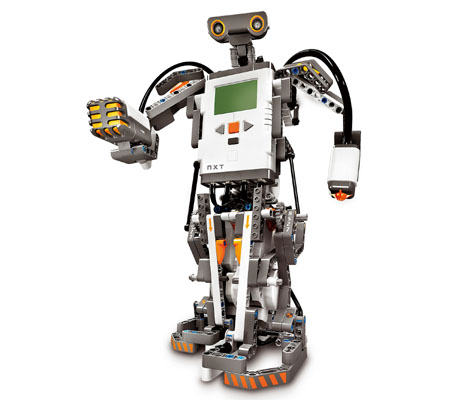
- The number of grains of rice harvested in 2004
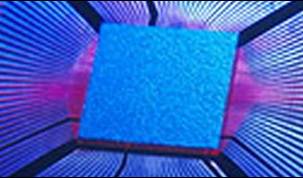
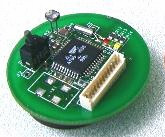
- The number of transistors fabricated in 2004
|
|
7
|
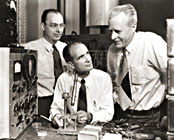
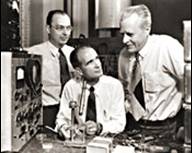
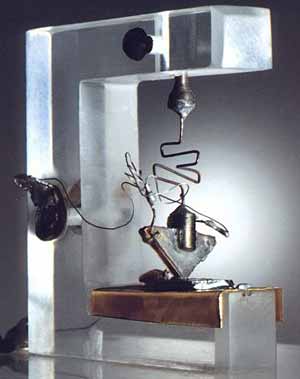
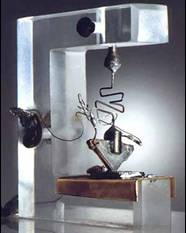
- William Shockley, Walter Brattain and John Bardeen, Bell Labs, 1947
|
|
8
|
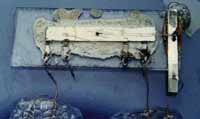
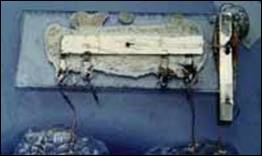
- Jack Kilby, Texas Instruments, and Bob Noyce, Fairchild Semiconductor
Corporation, 1958
|
|
9
|
|
|
10
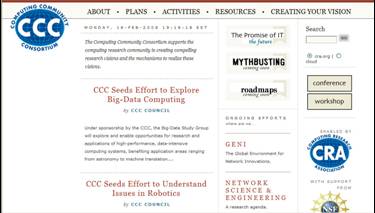
|
|
|
11
|
|
|
12
|
|
|
13
|
|
|
14
|
|
|
15
|
|
|
16
|
|
|
17
|
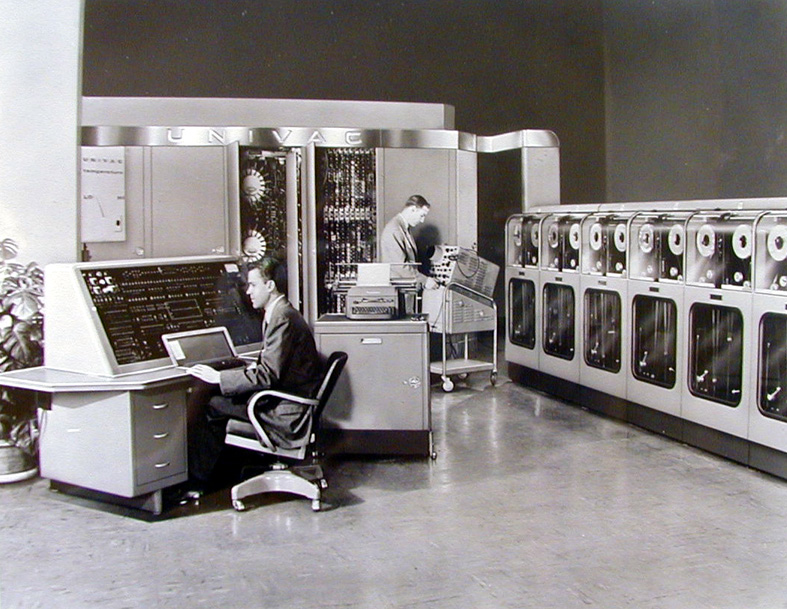
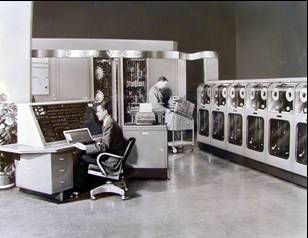
- “Computers in the future may weigh no more than 1.5 tons” – Popular
Science, 1949
|
|
18
|
|
|
19
|
|
|
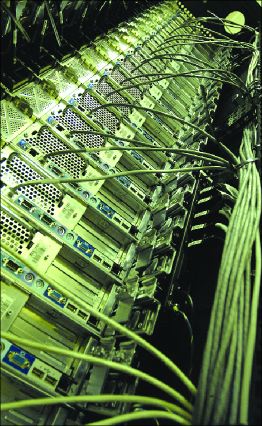
20
|
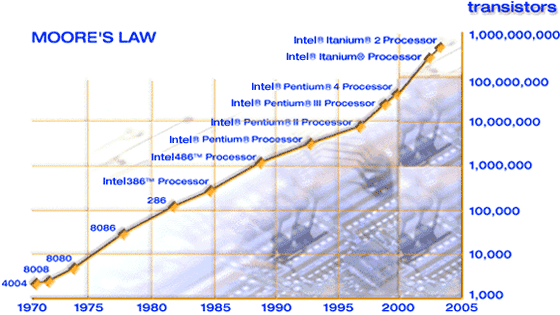
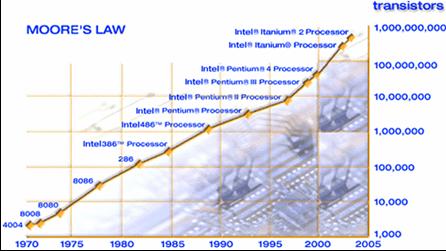
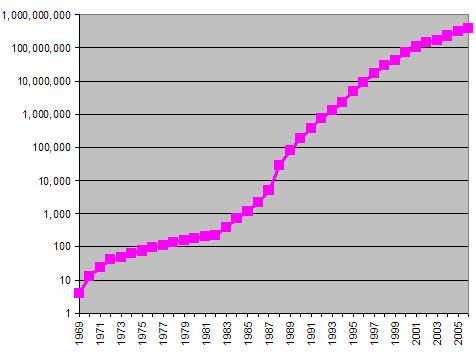
- 1970: 10
- 1975: 100
- 1980: 200
- 1985: 2,000
- 1990: 350,000
- 1995: 10,000,000
- 2000: 100,000,000
- 2005: 400,000,000
|
|
21
|
|
|
22
|
|
|
23
|
|
|
24
|
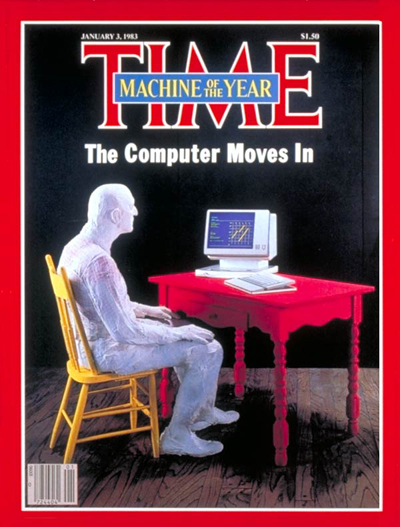
- “In medicine, the computer, which started by keeping records and sending
bills, now suggests diagnoses.
The process may sound dehumanized, but in one hospital … a survey
of patients showed that they found the machine ‘more friendly, polite,
relaxing and comprehensible’ than the average physician.’”
|
|
25
|
- “When the citizen of tomorrow wants a new suit, one futurist scenario
suggests, his personal computer will take his measurements and pass them
on to a robot that will cut his choice of cloth with a laser beam and
provide him with a perfectly tailored garment.”
|
|
26
|
- “When the citizen of tomorrow wants a new suit, one futurist scenario
suggests, his personal computer will take his measurements and pass them
on to a robot that will cut his choice of cloth with a laser beam and
provide him with a perfectly tailored garment.”
|
|
27
|
- “When the citizen of tomorrow wants a new suit, one futurist scenario
suggests, his personal computer will take his measurements and pass them
on to a robot that will cut his choice of cloth with a laser beam and
provide him with a perfectly tailored garment.”
|
|
28
|
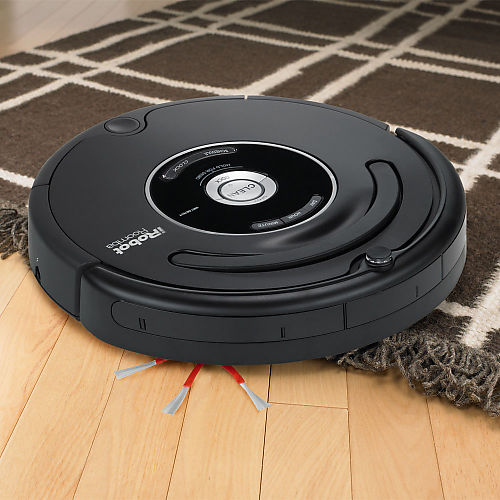
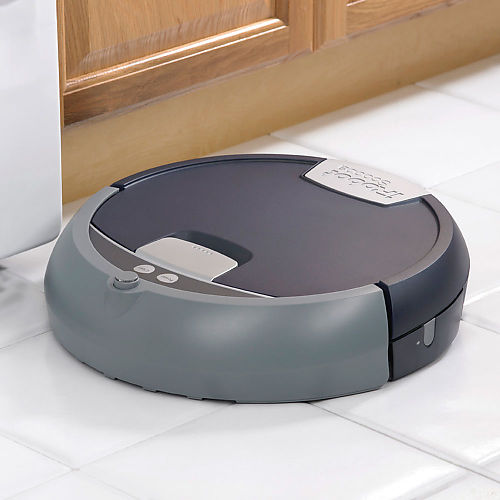
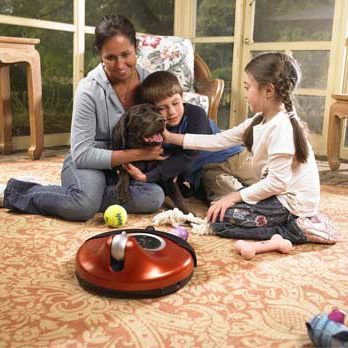
- “In the home, computer enthusiasts delight in imagining machines
performing domestic chores.”
|
|
29
|
- “In the home, computer enthusiasts delight in imagining machines
performing domestic chores.”
|
|
30
|
- “In the home, computer enthusiasts delight in imagining machines
performing domestic chores.”
|
|
31
|
- “In the home, computer enthusiasts delight in imagining machines
performing domestic chores.”
|
|
32
|
- “In the home, computer enthusiasts delight in imagining machines
performing domestic chores.”
|
|
33
|
- “In the home, computer enthusiasts delight in imagining machines
performing domestic chores.”
|
|
34
|
- “In the home, computer enthusiasts delight in imagining machines
performing domestic chores.”
|
|
35
|
- “Seymour Papert … author of Mindstorms: Children, Computers and Powerful
Ideas …”
|
|
36
|
- “Seymour Papert … author of Mindstorms: Children, Computers and Powerful
Ideas …”
|
|
37
|
- “Or as Adam Osborne puts it: ‘The future lies in designing and selling
computers that people don't realize are computers at all.’”
|
|
38
|
- “Or as Adam Osborne puts it: ‘The future lies in designing and selling
computers that people don't realize are computers at all.’”
|
|
39
|
|
|
40
|
- Advances in computing change the way we live, work, learn, and
communicate
- Advances in computing drive advances in nearly all other fields
- Advances in computing power our economy
- Not just through the growth of the IT industry – through productivity
growth across the entire economy
|
|
41
|
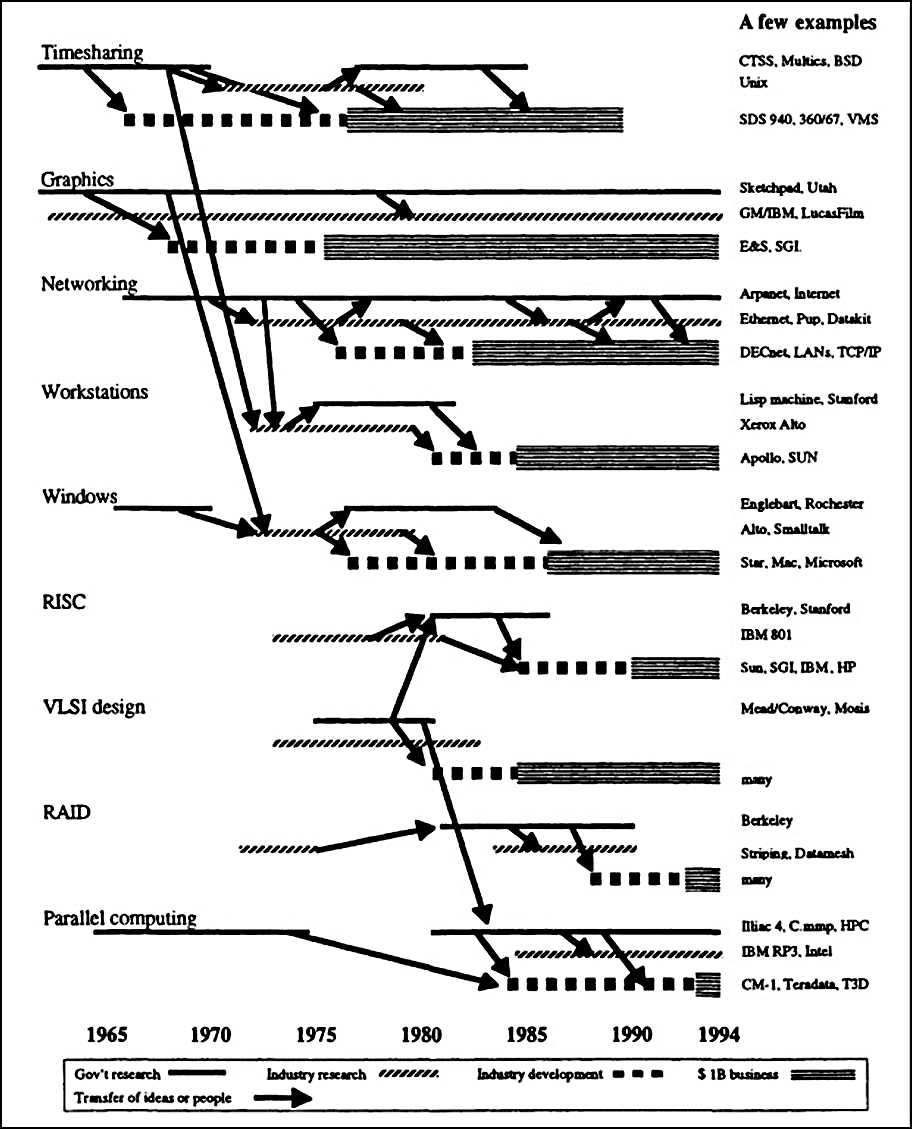
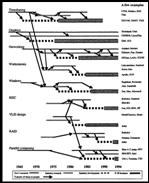
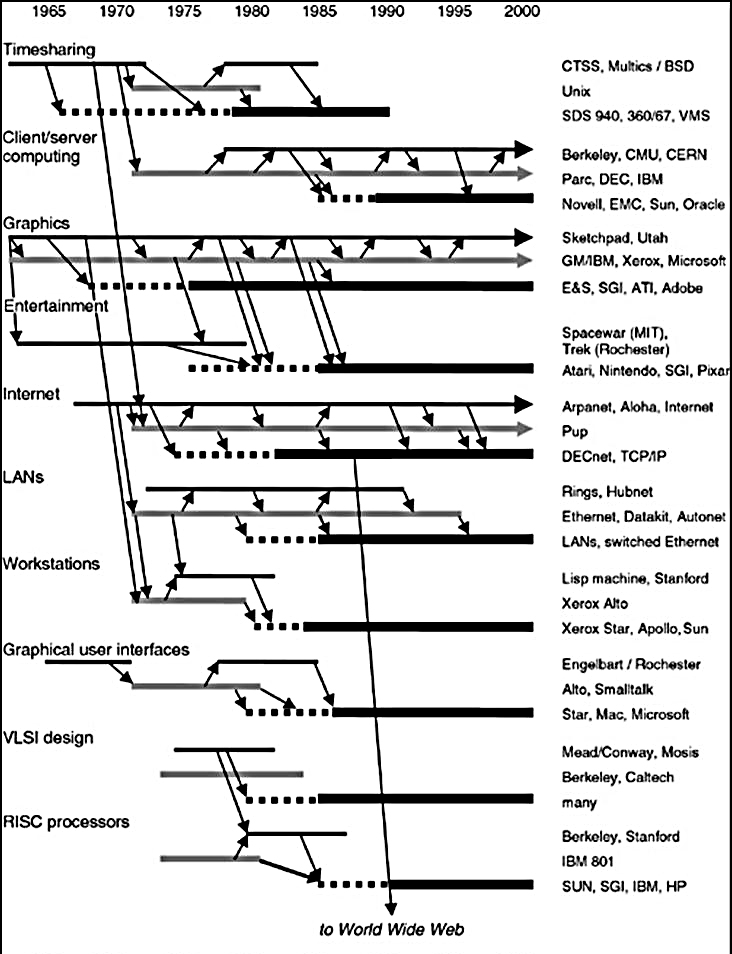
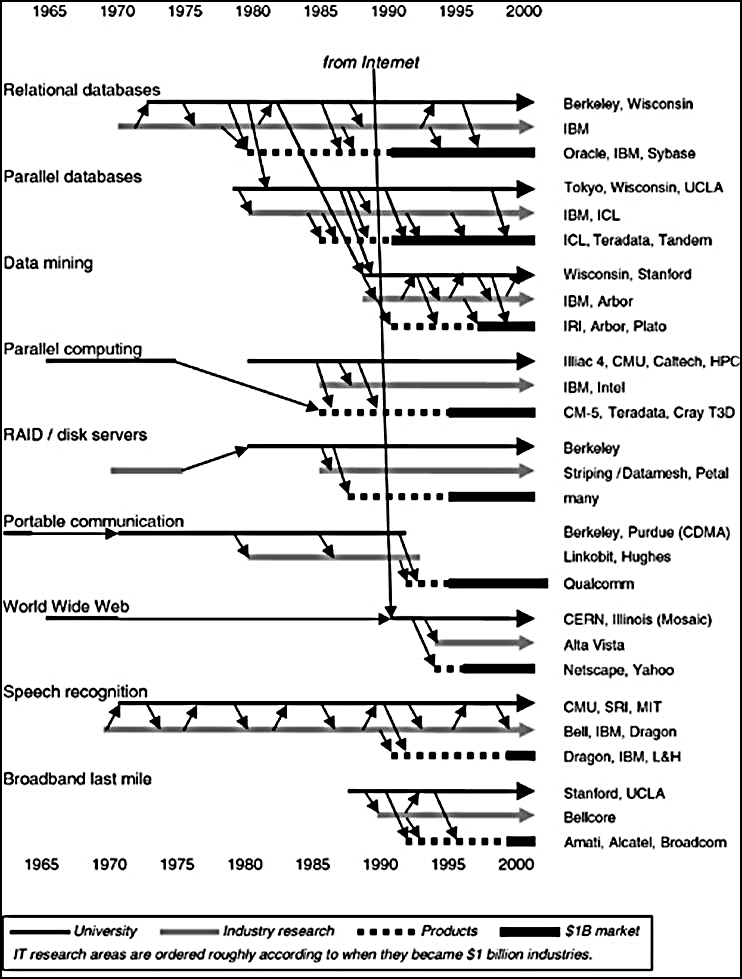
- Timesharing
- Computer graphics
- Networking (LANs and the Internet)
- Personal workstation computing
- Windows and the graphical user interface
- RISC architectures
- Modern integrated circuit design
- RAID storage
- Parallel computing
|
|
42
|
- Entertainment technology
- Data mining
- Portable communication
- The World Wide Web
- Speech recognition
- Broadband last mile
|
|
43
|
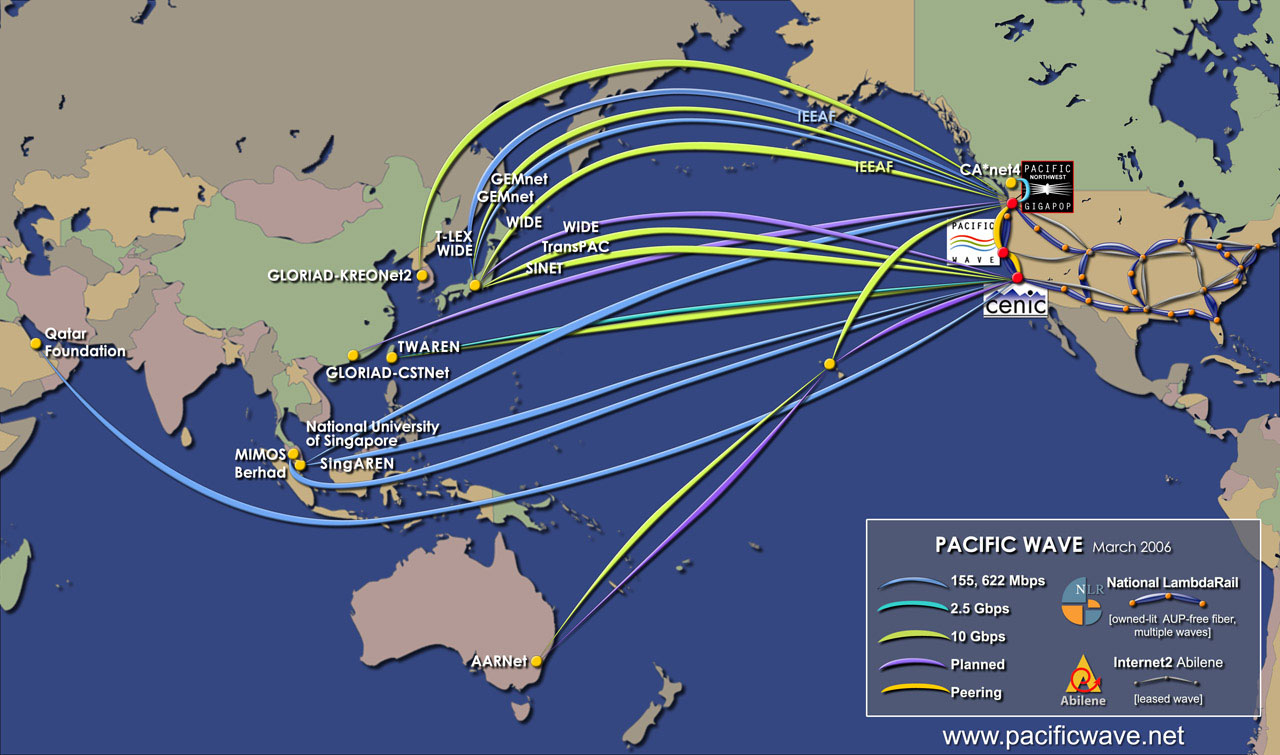
- Creating the future of networking
- Driving advances in all fields of science and engineering
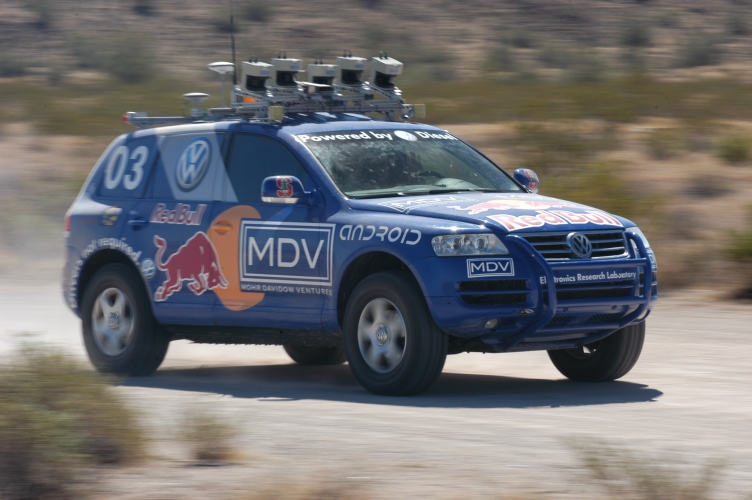
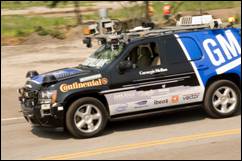
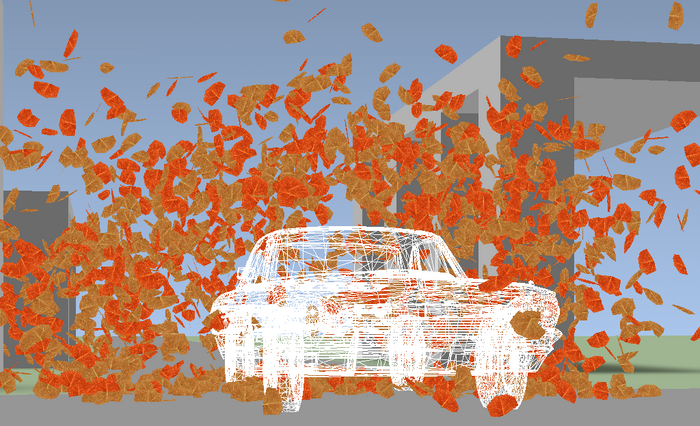
- Wreckless driving
- Personalized education
- Predictive, preventive, personalized medicine
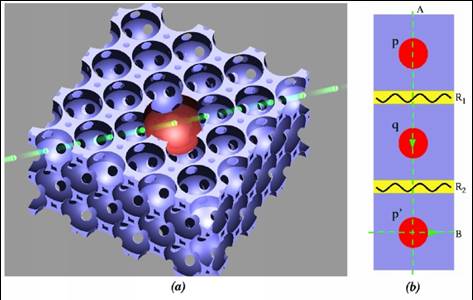
- Quantum computing
- Empowerment for the developing world
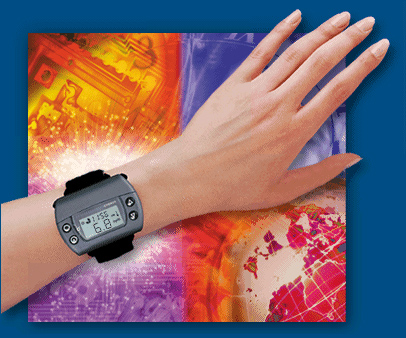
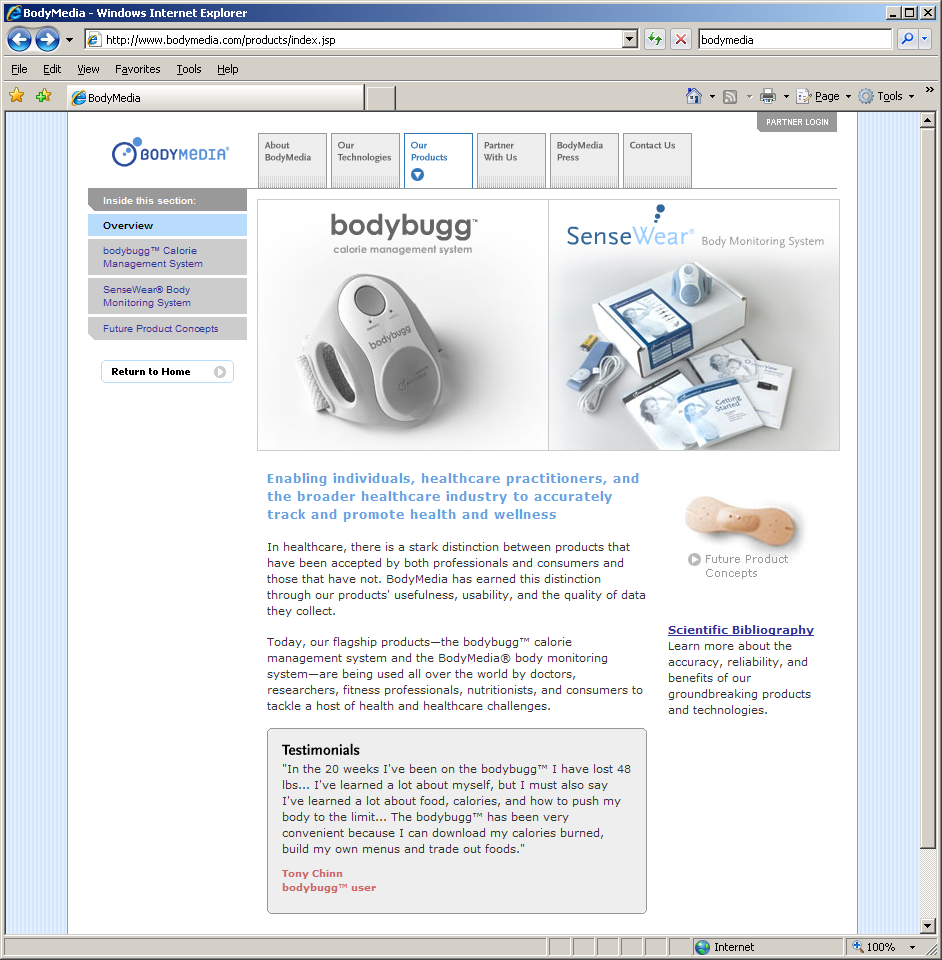
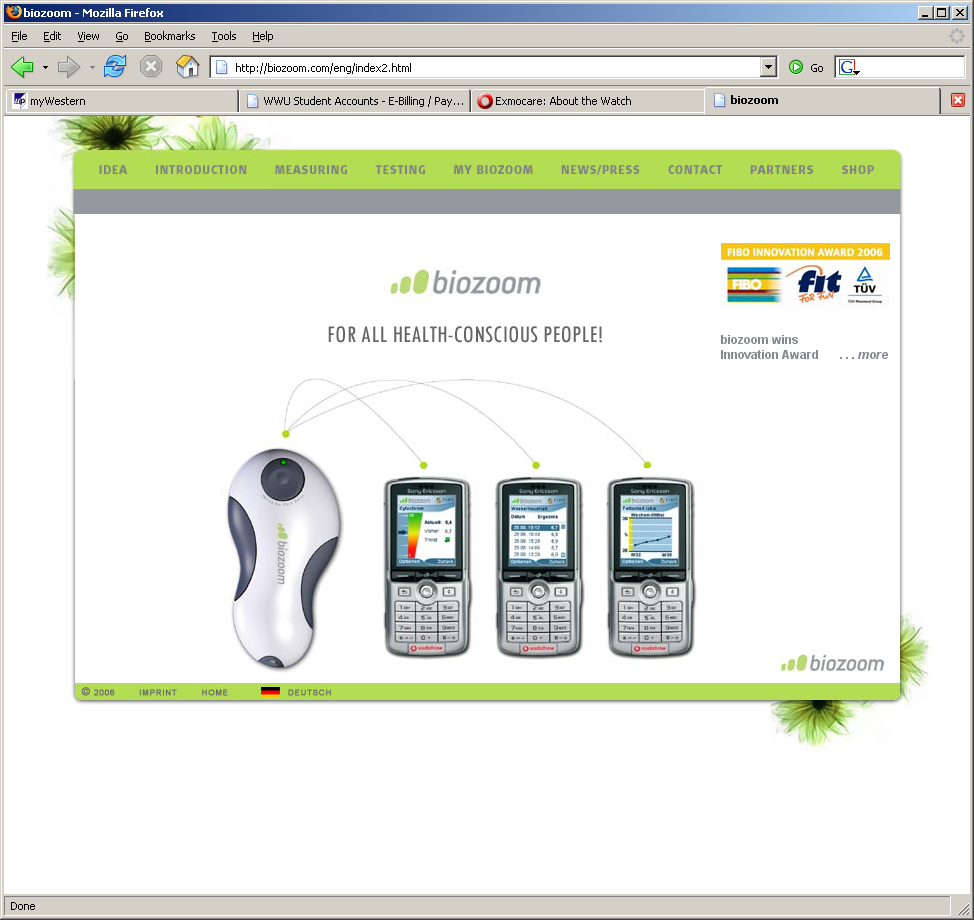
- Personalized health monitoring => quality of life
- Harnessing parallelism: many-core
and DISC
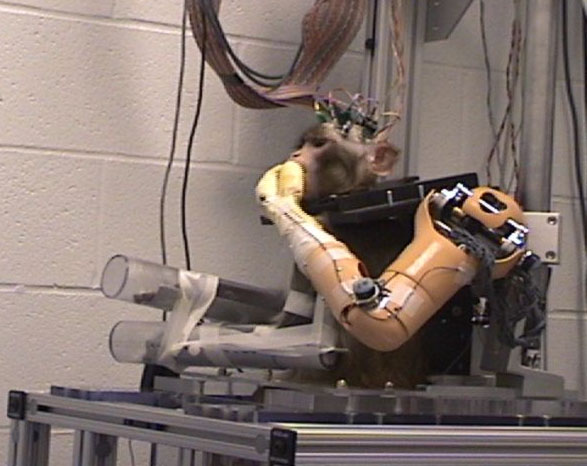
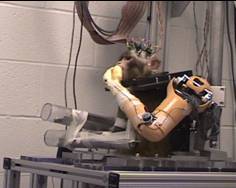
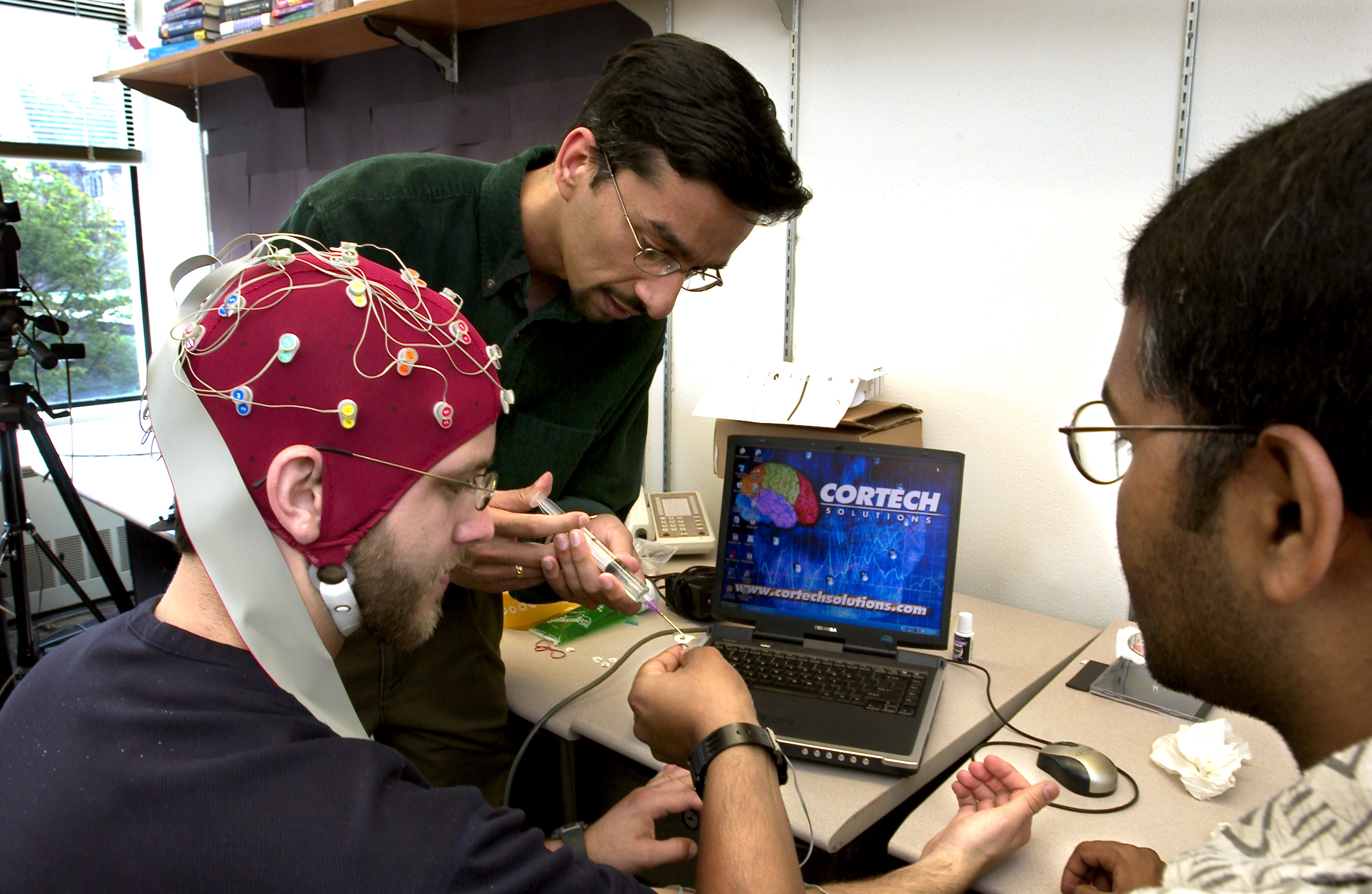
- Neurobotics
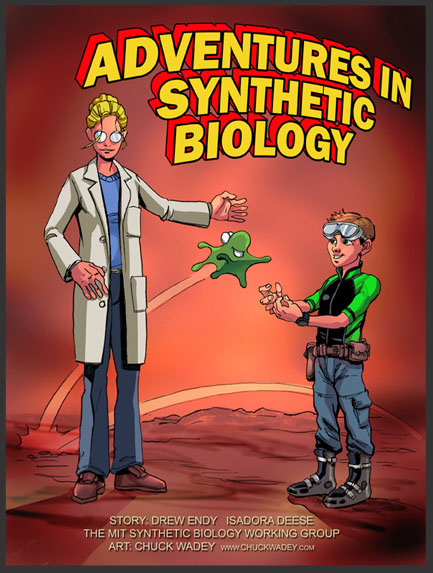
- Synthetic biology
- The algorithmic lens: Cyber-enabled Discovery and Innovation
|
|
44
|
- The challenges that will shape the intellectual future of the field
- The challenges that will catalyze research investment and public support
- The challenges that will attract the best and brightest minds of a new
generation
|
|
45
|
- To catalyze the computing research community to consider such questions
- To envision long-range, more audacious research challenges
- To build momentum around such visions
- To state them in compelling ways
- To move them towards funded initiatives
- To ensure “science oversight” of large-scale initiatives
- A “cooperative agreement” with NSF
|
|
46
|
- CCC is all of us!
- This process must succeed, and it can’t succeed without broad community
engagement
- There is a CCC Council to guide the effort
- The Council stimulates and facilitates – it doesn’t “own”
- Inaugural Council appointed through an open process led by Randy Bryant
- The Council is led by a Chair
- Ed Lazowska, University of Washington
- Susan Graham, UC Berkeley, serves as Vice Chair
- 50% effort – not titular
- The CCC is staffed by CRA
- Andy Bernat serves as Executive Director
|
|
47
|
- Those involved in shaping CRA’s response to NSF’s original challenge
- Inaugural CCC Council
|
|
48
|
- Definition and execution of a bootstrapping procedure for the CCC
- Not straightforward, because community ownership was essential!
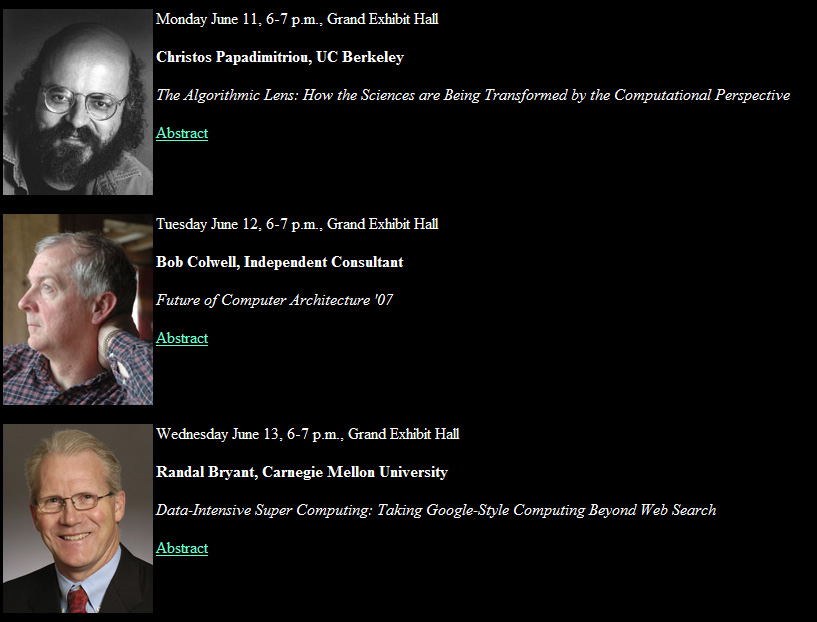
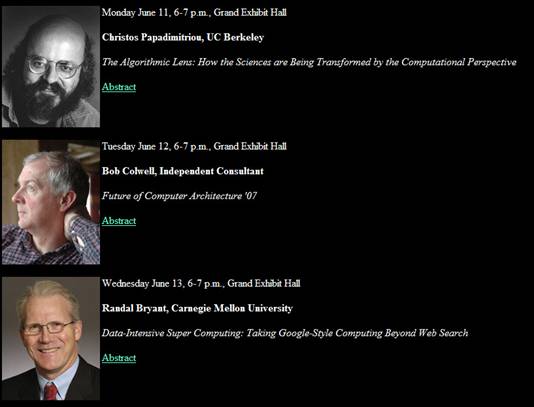
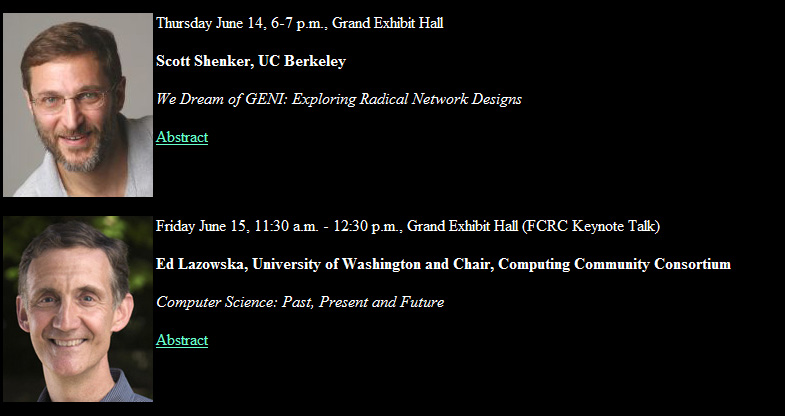
- Five plenary talks at the Federated Computing Research Conference (June
2007) to introduce CCC to the computing research community
- Embracing and amplifying efforts that are already underway
|
|
49
|
|
|
50
|
|
|
51
|
- Definition and execution of an RFP process to support visioning by the
computing research community
- Quarterly deadlines, but a rolling process
- Three efforts launched thus far:
- “Big Data Computing Study Group”
- “Visions for Theoretical Computer Science”
- “From Internet to Robotics: The
Next Transformative Technology”
|
|
52
|
- Big Data Computing Study Group
- Topic:
- “The Big Data Computing Study Group will undertake efforts to explore
and enable opportunities on the research and application of
high-performance computing over very large data sets.”
- Leadership:
- Randy Bryant, CMU
- Thomas Kwan, Yahoo! Research
- Initial activities:
- Hadoop Summit, March 25, Sunnyvale CA
- Data-Intensive Scalable Computing Symposium, March 26, Sunnyvale CA
|
|
53
|
- Visions for Theoretical Computer Science
- Topic:
- “The purpose of the visioning workshop will be to identify and
distill broad research themes within TCS that have potential for
major impact in the future … The workshop will aim to produce
compelling “nuggets” that can quickly convey the importance of a
research direction to a layperson [and] could be used by the CCC or
anyone else making the case for a sustained investment in long-term,
foundational computing research.”
- Leadership:
- Richard Ladner, Washington
- Bernard Chazelle, Anna Karlin, Dick Lipton, Salil Vadhan
- Initial activities:
- Workshop prior to STOC, May 17, Seattle WA
|
|
54
|
- From Internet to Robotics: The
Next Transformative Technology
- Topic:
- “This study will generate a roadmap of applications for robotics
across users, producers and researchers. The objective is to provide a
comprehensive view of use of robotics, the main obstacles to
deployment, and the key competencies required to facilitate the
transformation.”
- Leadership:
- Henrik Christensen, Georgia Tech
- 10 others (Leslie Kaelbling, Sebastian Thrun, …)
- Initial activities:
- Workshop on manufacturing robotics, June 17, Washington DC
- Workshop on medical/healthcare robotics, June 19-20, Washington DC
|
|
55
|
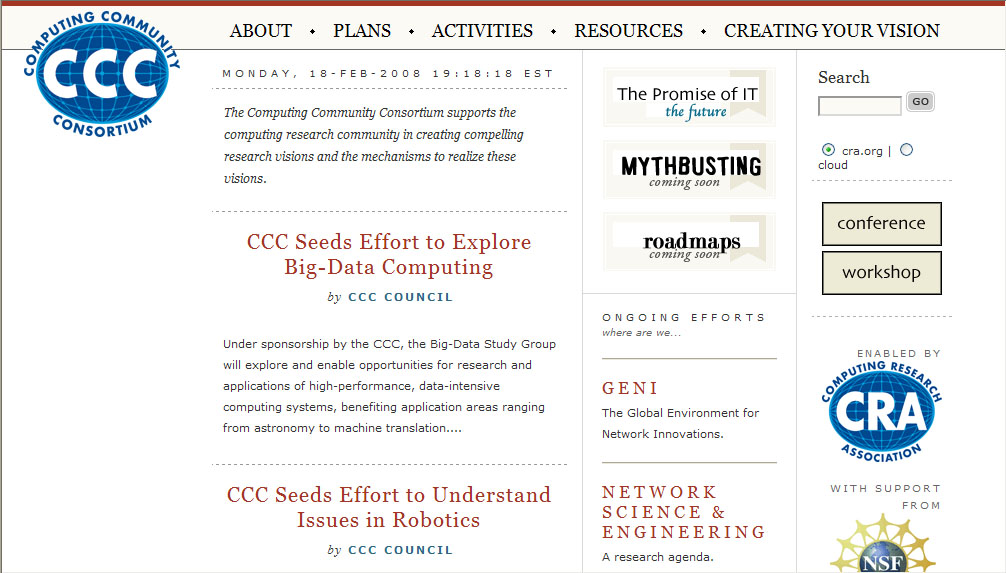
- Creation of a website with lots of good intentions for the future …
- Visioning blog … “Mythbusting” … “The Promise of IT”
|
|
56
|
- Extensive work with NSF and the computing research community related to
GENI (the Global Environment for Network Innovations) and the broader
NetSE (Network Science & Engineering) research agenda
- GENI Community Advisory Board -> GENI Science Council -> NetSE
Council
- 19 members, chaired by Ellen Zegura of Georgia Tech
|
|
57
|
- Broad community engagement in establishing more audacious and inspiring
research visions for our field
- Some may require significant research infrastructure (e.g., NetSE);
some will be new programs (e.g., CDI)
- Better public appreciation of the potential of the field
- Attraction of a new generation of students
- Greater impact!
|
|
58
|
|
|
59
|
|
|
60
|
|
|
61
|
|
|
62
|
|
|
63
|
|
|
64
|
|
|
65
|
|
|
66
|
|
|
67
|
|
|
68
|
|
|
69
|
|
|
70
|
|
|
71
|
|
|
72
|
|
|
73
|
|
|
74
|
|
|
75
|
|
|
76
|
|
|
77
|
|
|
78
|
|
|
79
|
|
|
80
|
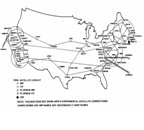
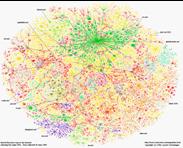
- Fundamental Question: Is there a science for understanding the
complexity of our networks such that we can engineer them to have
predictable behavior?
|
|
81
|
|
|
82
|
|
|
83
|
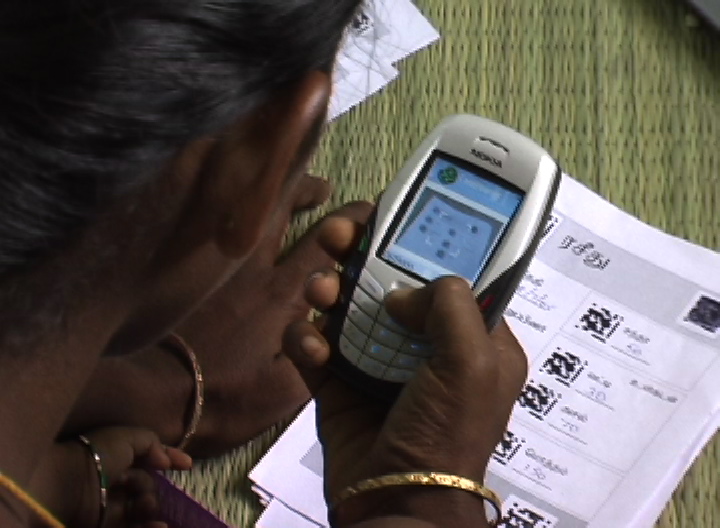
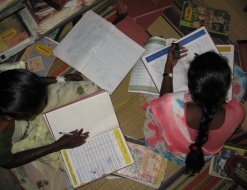
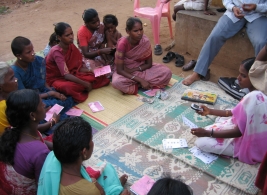
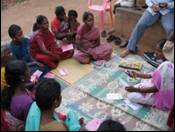
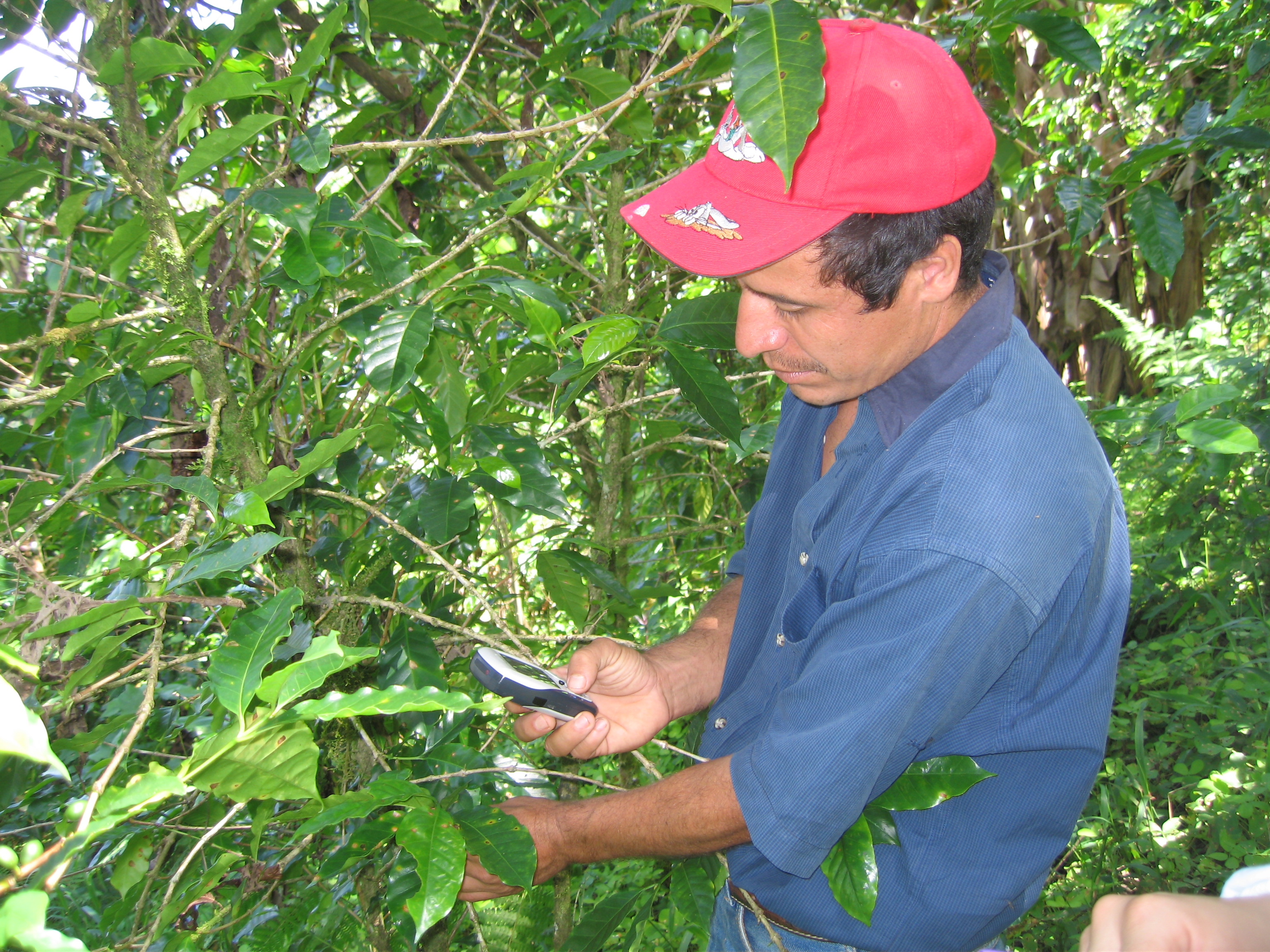
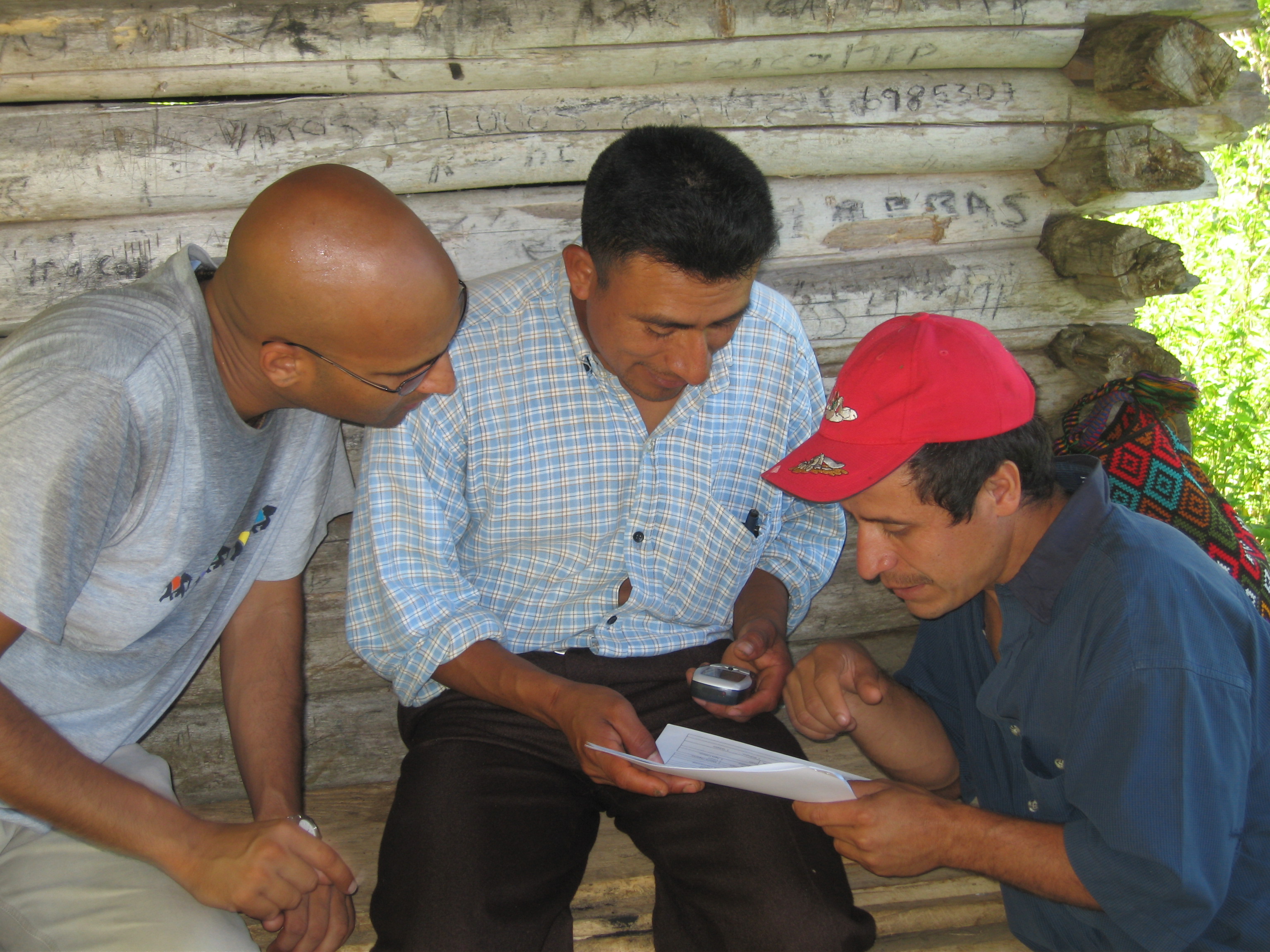
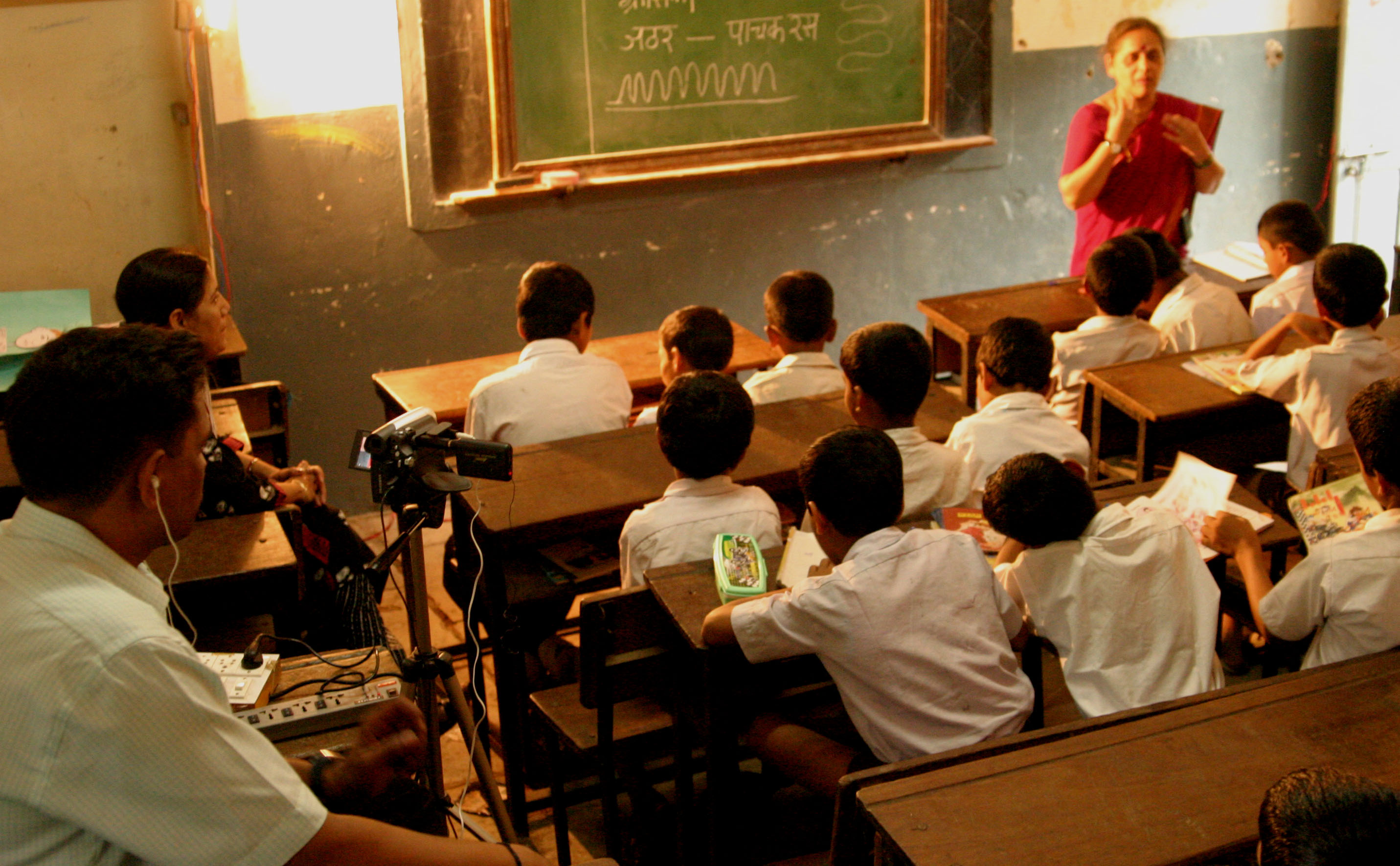
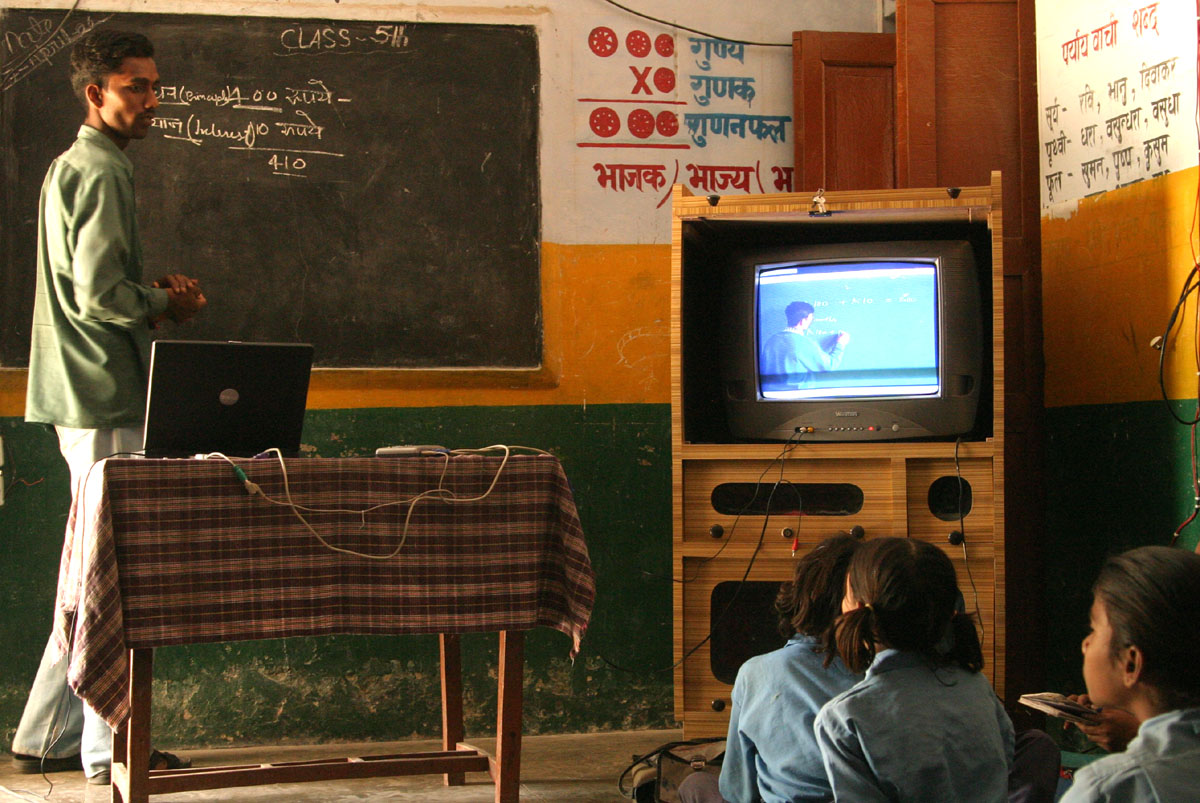
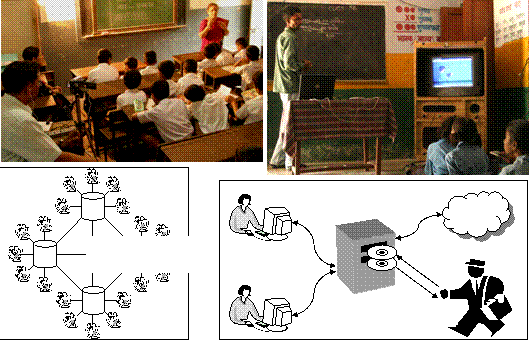
- 3 billion people in the rural developing world
- need the same information we do
|
|
84
|
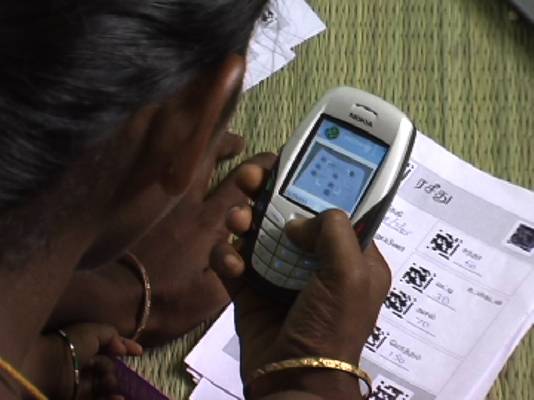
- 3 billion people in the rural developing world
- have different limitations and capabilities
|
|
85
|
|
|
86
|
|
|
87
|
|
|
88
|
|
|
89
|
|
|
90
|
|
|
91
|
|
|
92
|
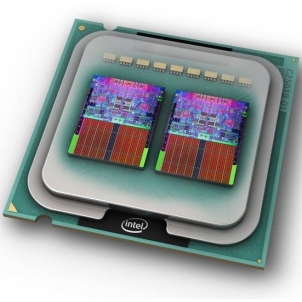
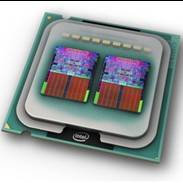
- PC, Server: Power Wall + Memory Wall = Brick Wall
- End of the way we built microprocessors for last 40 years
- New Moore’s Law is 2X processors (“cores”) per chip every technology
generation, but same clock rate
- “This shift toward increasing parallelism is not a triumphant stride
forward based on breakthroughs …; instead, this … is actually a retreat
from even greater challenges that thwart efficient silicon
implementation of traditional solutions.”
- The Parallel Computing Landscape: A Berkeley View, Dec 2006
- Sea change for HW & SW industries since changing the model of
programming and debugging
- New “Moore’s Law” is 2X processors per chip every 2 years
- Duo core, Quad core, …
- Goal: Productive, Efficient, Correct Programming of 100+ cores &
scale as double cores every 2 years (!)
|
|
93
|
- What if IT goes from a
growth industry to a
replacement industry?
- If SW can’t effectively use
32, 64, ... cores per chip
Þ SW no faster on
new computer
Þ Only buy if
computer wears out
- Impact on US economy
if end of “Moore’s Law”?
- How much productivity tied to IT?
- How much IT tied to faster computers?
- Opportunity to lose US lead in IT if others
solve the problem
- If someone in China invents a Mandarin-based programming language that
solves the parallel computing problem,
then I’ll need to learn Mandarin
|
|
94
|
- Research Needed
- CMOS end-game electricals problems
- Multicore SW
- Power/thermals management
- Thread and manycore sync: SW needs help
- Expand synergies between embedded & GP
- Design-in-the-Large
- Grand Challenges
- New technologies like reconfig fabrics, streaming machines, quantum,
bio, nano
|
|
95
|
|
|
96
|
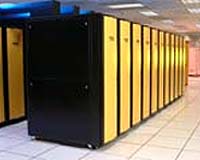
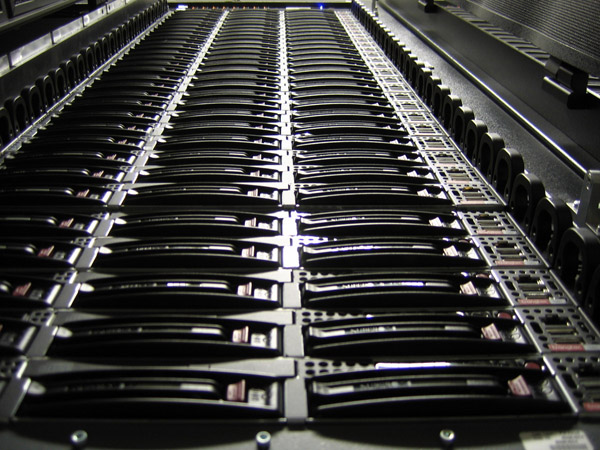
- System
- ~ 3 million processors in clusters of ~2000 processors each
- Commodity parts
- x86 processors, IDE disks, Ethernet communications
- Gain reliability through redundancy & software management
- Partitioned workload
- Data: Web pages, indices distributed across processors
- Function: crawling, index generation, index search, document
retrieval, Ad placement
- A Data-Intensive Scalable Computer (DISC)
- Large-scale computer centered around data
- Collecting, maintaining, indexing, computing
- Similar systems at Microsoft & Yahoo
|
|
97
|
- Applications
- Language translation, image processing, …
- Application Support
- Machine learning over very large data sets
- Web crawling
- Programming
- Abstract programming models to support large-scale computation
- Distributed databases
- System Design
- Error detection & recovery mechanisms
- Resource scheduling and load balancing
- Distribution and sharing of data across system
|
|
98
|
- Envisioned by the theory community
- Brought to life as the NSF Cyber-Enabled Discovery Initiative
(CDI): $52M in FY08 => $250M
in FY12
|
|
99
|
|
|
100
|
|
|
101
|
- In 2004, in just the United States:
- 6,181,000 police-reported traffic accidents
- 42,636 people killed
- 2,788,000 people injured
- 4,281,000 had property damage only
- ~ $500 billion (that’s half a trillion dollars …) in annual economic
cost
- 200 times greater than even an extravagant estimate of the nation’s
annual investment in computing research
|
|
102
|
|
|
103
|
- Rory Cooper
- Co-Director
- FISA/PVA Chair and Distinguished Professor
- Dept of Rehabilitation Science and Technology
- University of Pittsburgh
|
|
104
|
|
|
105
|
|
|
106
|
|
|
107
|
|
|
108
|
|
|
109
|
|
|
110
|
|
|
111
|
|
|
112
|
- You need to have programmed in high school to pursue computer science in
college
- A computer science degree leads only to a career as a programmer
- Programming is a solitary activity
- Employment continues to be in a trough
- Eventually, all the programming jobs will be overseas
- Student interest in computer science is lower than in most other STEM
fields
- Computer science lacks opportunities for making a positive impact on
society
- There’s nothing intellectually challenging in computer science
- There have been no recent breakthroughs in computer science
- Computer science lacks compelling research visions
|
|
113
|
- What are your compelling visions for the field?
- How can the CCC facilitate your pursuit of them?
- http://www.cra.org/ccc/
|

 Notes
Notes